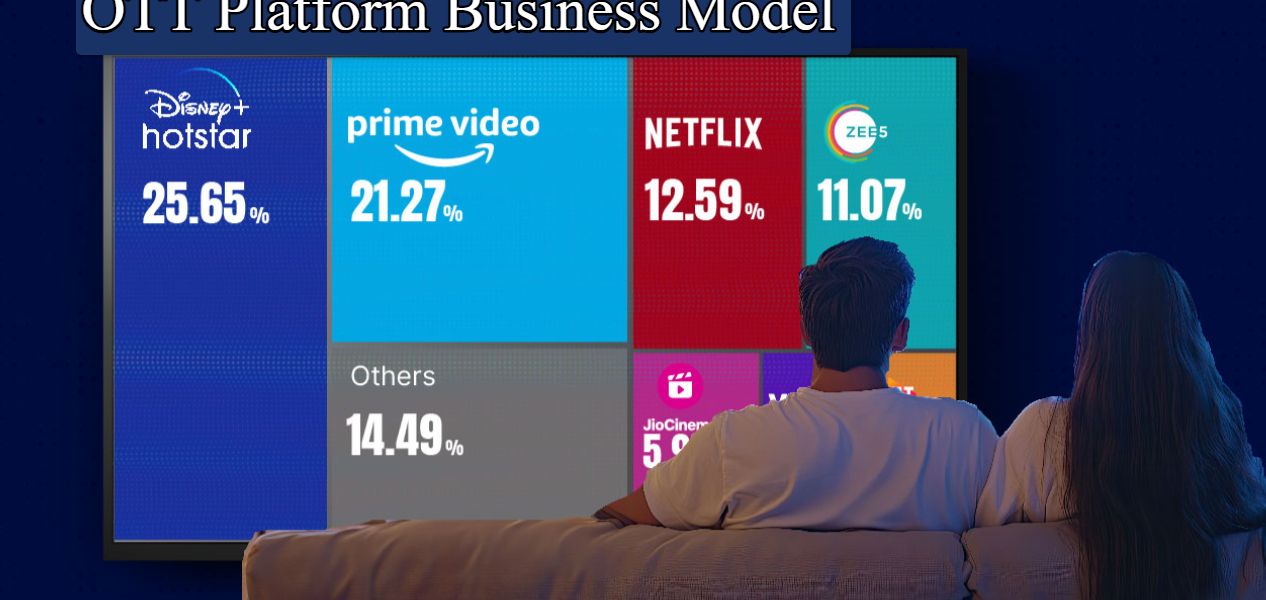

The Over-the-Top (OTT) platforms have changed the way we consume content and offer users the option to stream media directly via the internet, without the requirement to pay for satellite or cable services. These platforms have come up with diverse business models to earn revenues, catering to different preferences of consumers and changing market trends.
Subscription Video on Demand (SVOD)
Under the SVOD model, subscribers pay a recurring cost–monthly or quarterly to access a library of material. This model gives subscribers unlimited access to content during the duration of their subscription. The most prominent examples are Netflix, Disney+, and Amazon Prime Video. The predictable nature of regular income creates SVOD the most popular choice for OTT providers. However, a successful model is dependent on a constant commitment to compelling content that will keep subscribers.
Advertising Video on Demand (AVOD)
AVOOD platforms give access to content at no cost and monetize through ads. The revenue is earned by displaying advertisements to viewers, and advertisers pay for exposure. This model is attractive to those who are not willing to shell out subscription fees, and is backed by brands that want to reach a large public. YouTube as well as Peacock (in the free level) are examples of this AVOD model. The difficulty is in the balance of ad frequency and keep the user engaged and not cause irritation.
Transactional Video on Demand (TVOD)
TVOD is a pay-per-view basis, in which viewers pay for a specific piece of content. This is a good model for premium or exclusive media, such as upcoming movies or events that are special. The subcategories are Electronic Sell-Through (EST), which allows an ongoing access for purchased media or Download-to-Rent (DTR) providing temporary access. Platforms such as Apple iTunes and Google Play Movies make use of television-on-demand models. While it allows flexibility for customers, the reliance on transactions that are one-time can result in revenue fluctuations.
Hybrid Models
A lot of OTT platforms use hybrid models, which combine aspects that are SVOD, AVOD, and TVOD in order to diversify revenue streams. For example, Hulu offers both subscription-based and ad-supported options, whereas Amazon Prime Video combines subscription-based streaming with the option to rent or purchase additional content. This lets platforms cater to an even larger audience by offering different options for consumption.
Freemium Model
In the freemium model platforms provide a basic level of content at no cost, which is accompanied by ads, while offering an ad-free, premium experience for paid subscribers. This model attracts a wide population of users, and has the potential of turning free users to paying customers who want to enjoy a more enhanced experience. Platforms such as Spotify use this strategy providing free access to ads, and a premium subscription to enjoy ad-free experiences.
Licensing and Syndication
OTT platforms also earn income by licensing their original content to other platforms or services. This may be done by selling rights for broadcasting to conventional television networks, or various streaming providers, expanding their reach and increasing the value of content. For instance, Netflix has licensed some of its original programming internationally-based broadcasters.
Data Monetization
By analysing the data of users, OTT platforms can offer targeted advertising opportunities to companies and thus ensuring greater ad prices. In addition, the information generated by data analytics can help inform the creation of content and acquisition strategies making sure that the platforms are investing in content that is a hit with their users, thereby improving retention and growth of subscribers.
Live Streaming and Events
Certain OTT platforms allow live streaming of certain events, such as concerts, sports or conferences. These are available through a subscription, or on an hourly basis. This is not only appealing to viewers who want live streaming but also provides opportunities for exclusive partnerships and sponsorships which can increase revenue.
Merchandise and Ancillary Services
OTT platforms, specifically ones that have well-known original content, are able to profit from merchandise sales that are that are related to their movies or shows. These include apparel, collectibles as well as other products that are associated with the brand. In addition, providing ancillary services such as behind the scenes videos, interactive experiences or fan events could create additional revenue streams and increase the engagement of your audience.
Conclusion
The strategies used to monetize OTT platforms are diverse which reflects the dynamic nature of the world of digital entertainment. Through a blend of advertising, subscription fees transactions, transactional purchases and new hybrid models, the platforms can cater to different consumers while ensuring long-term revenue growth. As the market evolves, OTT providers must remain flexible, constantly adjusting the business model to keep up with the changing demands of markets and technological advances