
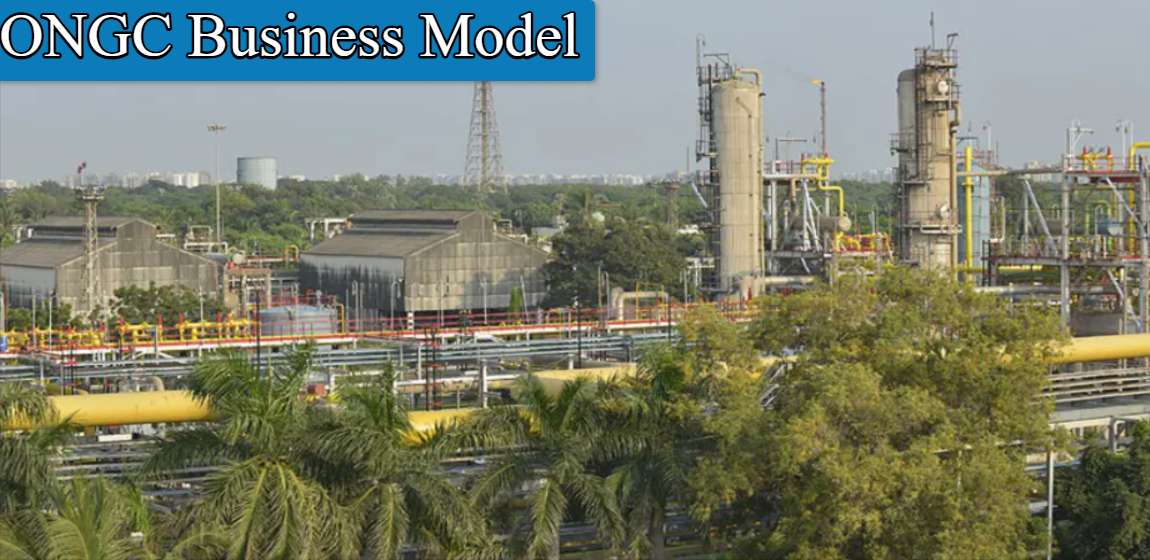
Oil and Natural Gas Corporation (ONGC) founded in 1956, is India’s top exploration and production firm. Being a state-owned business, ONGC plays a pivotal function in meeting India’s energy needs. The business model of the company encompasses a range of aspects of the hydrocarbon value chain that aid in the generation of revenue.
Exploration and Production (E&P) of Crude Oil and Natural Gas
The center of ONGC’s activities includes the research, development and production of natural gas and crude oil. It conducts expansive geological studies and utilizes cutting-edge technologies to locate as well as extract hydrocarbon deposits inshore and offshore. The crude oil extracted is sold to refineries within the United States and natural gas is distributed to different industries, such as the power sector, fertilisers and Petrochemicals. This is the main income stream for ONGC.
Value-Added Products
Beyond crude natural gas and oil, ONGC produces several value-added products that add to its earnings:
- Liquefied Petroleum Gas (LPG): As a result in natural gas extraction and refining crude oil, LPG is widely used for cooking in households and as a fuel for certain industries.
- Naphtha It is produced during the refining process, naphtha functions as a feedstock in the petrochemical industries. It also is used to make gasoline with high-octane levels.
- C2-C3 (Ethane and Propane): These hydrocarbons are used in the petrochemical industry to make plastics as well as other chemicals.
- Superior Kerosene Oil (SKO): Commonly utilized for cooking in homes and as a lighting fuel in rural areas.
The selling of these products diversifies the revenue source of ONGC and increases its profit margins.
Subsidiaries and Joint Ventures
ONGC has strategically diversified its business through different joint ventures and subsidiaries:
- ONGC Videsh Limited (OVL): This wholly-owned subsidiary is focused in international production and exploration. OVL holds participation rights of 35 gas and oil properties across 15 countries. It contributes significantly to the overall production of ONGC and its revenues.
- Hindustan Petroleum Corporation Limited (HPCL): In 2018 ONGC bought the 51.11 percent stake in HPCL which is one of the largest downstream refinery and marketing firm. This acquisition allowed ONGC to consolidate its operations vertically, and thus capturing more value throughout the chain of hydrocarbons.
- Mangalore Refinery and Petroleum Limited (MRPL): ONGC has a substantial stake in MRPL which runs an ultramodern refinery with an capacity of up to 15 million metric tons annually. The facility converts crude oil into a variety of refined products, which further contributes to ONGC’s revenues.
Financial Performance
The financial performance of ONGC is a reflection of its solid business model
- Fiscal Year 2023-23: The company reported an income of Rs40,526 crore, which represents an increase of 4.4 percent increase year-over-year.
- The Third Quarter of the Fiscal Year 2024-25 ONGC recorded a operating revenue consolidated of Rs1,66,096.68 crore, and net profits in the amount of Rs9,783.64 crore.
These numbers highlight ONGC’s substantial contributions to the Indian energy industry and its excellent financial position.
Strategic Initiatives and Future Outlook
To ensure that it can continue to grow and increase the revenue streams of ONGC, ONGC is undertaking several strategic initiatives.
- enhanced Oil Recovery (EOR) Techniques: In collaboration with global energy giants such as BP, ONGC is implementing sophisticated EOR techniques to increase production from older fields. For example, BP has committed to the growth of production of oil of 44% as well as gas production by 89% in India’s largest oil field, under a ten-year contract.
- Diversification in Renewable Energy In recognition of the shift towards sustainable energy sources, ONGC is looking into possibilities to develop renewable energy resources like biofuels, ethanol, biogas and solar power. This diversification is intended to enhance its hydrocarbon-based business, and be in line with its environmental goals.
- Digital Transformation ONGC has invested in the development of digital technology to increase efficiency of operations, improve resource utilization, and boost the process of making decisions.
Challenges
Despite its strengths ONGC is not without challenges.
- Volatility in the Global Oil Price: Changes in global crude prices can dramatically impact profitability and revenue.
- Environmental Regulation: Changes in government policies, taxation and environmental regulations can impact operations as well as financial results.
- Sustainability Concerns While the globe shifts toward cleaner power sources of energy, ONGC must balance its main hydrocarbons activities with sustainable practices and investment in renewable energy sources.
Conclusion
The comprehensive business model of ONGC that encompasses exploration, production and value-added goods as well as strategic subsidiaries and innovative initiatives that are looking ahead have made it the foundation of India’s infrastructure for energy. Through the use of its core competencies and adapting to market conditions, ONGC continues to play vital roles in ensuring India’s energy security, while also seeking sustainable growth opportunities.